

By Blend London Culture Desk Section: Urban Culture, Architecture & Social Impact
In an era when major urban developments so often surrender to sterile luxury and commercial homogenisation, the opening of the new London Museum inside the historic halls of Smithfield Market stands as a radical, deeply human counter-statement.
Opening its doors free to the public on 28 November, this monumental £437 million relocation from its former Barbican home is far more than the world’s largest city museum. Housing over seven million objects spanning prehistoric settlements to the present day, it has been conceived not as a quiet temple behind velvet ropes, but as a living, breathing public square built around London’s defining virtue: openness.
Architecture as Living Memory
Rather than erasing Smithfield’s industrial past, the restoration celebrates every layer of its grit. High above the vast vaulted expanse of the former General Market—now Linbury Hall—the original fireplaces of the Victorian meat traders’ upper rooms remain visible in the brickwork.
Even the museum’s threshold blurs the boundary between institution and street: West Poultry Avenue has been transformed into a covered public thoroughfare where commuters, neighbours, and visitors cross paths beneath live data installations tracking the city’s pulse—from London’s bee populations to its nocturnal listening habits—alongside Banksy’s transformed City of London Police sentry box. And downstairs in the permanent Past Time galleries, set at Roman street level, a six-metre viewing window looks directly onto the tracks of Thameslink trains rushing through one of the world’s oldest subterranean rail corridors.
Craft, Subculture, and Grassroots Resistance
At Blend, we have long championed the preservation of London’s independent makers and disappearing street heritage. Inside Smithfield, that spirit takes centre stage:
- The Last Bell of Whitechapel: Hanging in the museum’s clock tower is the final bell cast by the historic Whitechapel Bell Foundry before its closure—a resonant tribute to centuries of East End metallurgy and craft.
- Syd’s Coffee Stall & Radical Hospitality: Among the installations lining the hall is Syd’s Coffee Stall, the beloved East End institution that stood in Shoreditch for a century before being displaced by gentrification. Reborn inside the museum, it will serve free tea every Tuesday—offering warmth, dignity, and welcome to every Londoner, including those experiencing homelessness.
- Lockhart’s Temperance Cocoa Rooms: Rediscovered during the market’s restoration, this 1875 alcohol-free café returns with late-night weekend hours, offering a soulful, community-driven alternative to conventional nightlife.
Unvarnished History
Refusing to sanitise the capital’s story, the galleries place Elizabethan goldsmithing (including the extraordinary Cheapside Hoard) and bespoke contemporary London fashion alongside unflinching examinations of Empire, the transatlantic slave trade, Victorian punishment, and even a preserved fragment of the infamous 2017 Whitechapel fatberg. Instead of dry curatorial plaques, words by London poets and writers guide visitors through the capital’s contradictions.
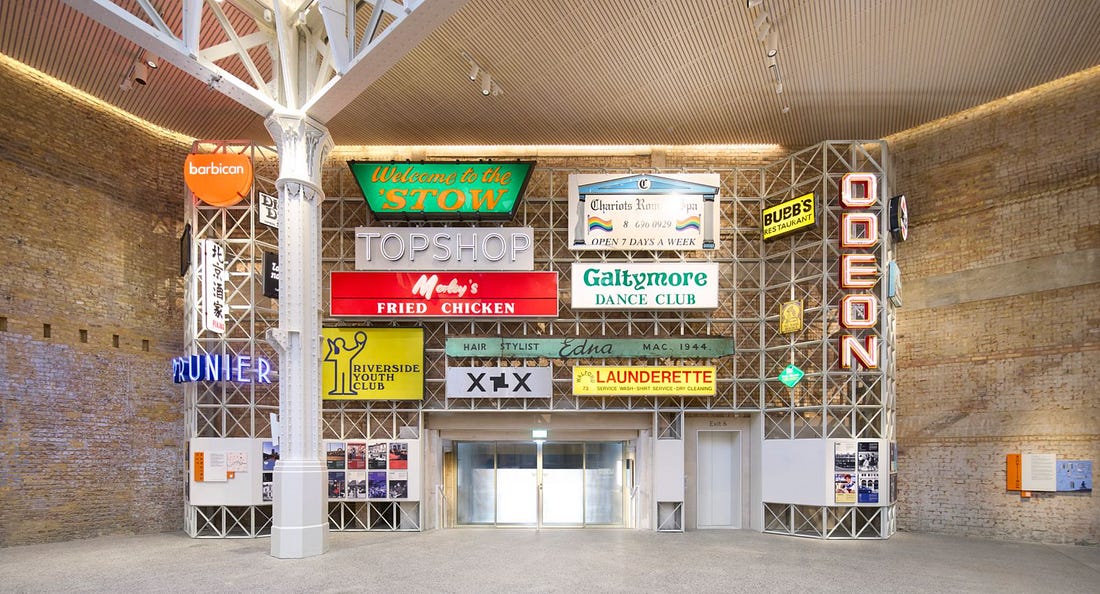
By weaving together archaeological treasure, subcultural signage—from fabric nightclub to South London’s original Morley’s—and genuine civic generosity, the new London Museum captures the capital as it truly is: messy, resilient, creative, and fiercely alive.